When Is the Best Time to Visit Zanzibar?
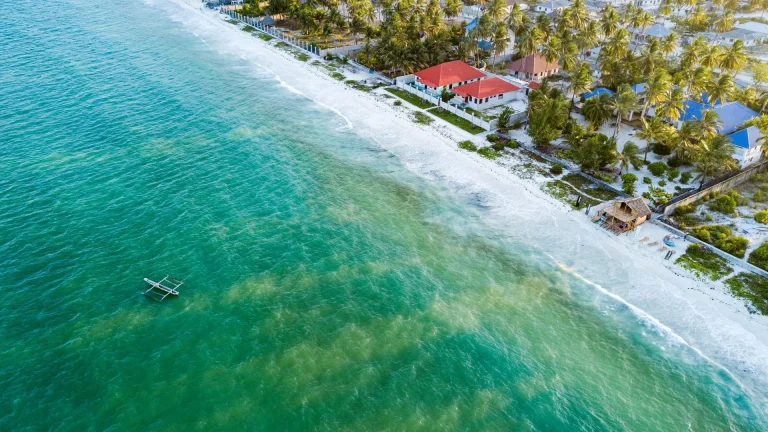
The best time to visit Zanzibar is from June to October, during the cool dry season, with sunny days, temperatures around 77–86°F (25–30°C), and minimal rain—perfect for beaches, diving, and exploring. For hotter weather, consider December to February, though expect higher humidity and crowds.
Planning a trip to Zanzibar sounds simple—until you realize that weather, seasons, prices, crowds, and activities all change throughout the year. One wrong timing decision can mean rough seas, unexpected rain, or missing out on the experiences you were dreaming of.
This guide answers one core question clearly and honestly: when is the best time to visit Zanzibar?
As experts at Visit Zanzibar Island Tours, we’ve helped countless visitors time their trips perfectly, drawing from years of on-the-ground experience navigating the island’s tropical rhythms. Zanzibar, that enchanting archipelago off Tanzania’s coast, offers year-round appeal, but getting the timing right can make all the difference between a sun-soaked paradise and unexpected downpours.
This ultimate guide will help you pinpoint the best time to visit based on your interests—whether it’s lounging on Nungwi Beach, diving among coral reefs, or immersing in Stone Town’s cultural buzz.
We’ll break down the seasons month by month, highlight top activities, share insider tips on crowds and costs, and even suggest what to pack.
By the end, you’ll have everything you need to plan a trip that’s not just memorable but tailored to you.
Let’s dive in and make your Zanzibar adventure seamless.
Table of Contents
What Factors Actually Determine the Best Time to Visit Zanzibar?
The “best” time depends on what kind of trip you want, not just the weather.
Key factors to consider
- Weather & rainfall
- Sea conditions (important for snorkeling, diving, and boat trips)
- Crowd levels
- Prices & availability
- Activities & wildlife seasons
A honeymooner, a diver, and a budget traveler will all have different “best” months. This guide helps you match the season to your goal.
What Is the Climate Like in Zanzibar?

Zanzibar has a tropical climate influenced by the Indian Ocean, with warm temperatures year-round averaging 77–93°F (25–34°C). Humidity stays high, often above 70%, but sea breezes keep things comfortable along the coast. The island experiences two dry seasons and two rainy periods, shaped by monsoon winds.
Key climate features:
- Dry Seasons: June–October (cool and dry) and December–February (hot and dry). These bring clear skies, lower humidity, and ideal conditions for outdoor fun.
- Rainy Seasons: March–May (long rains, heavy and consistent) and November (short rains, lighter and sporadic).
- Ocean Influence: Water temperatures range from 77–84°F (25–29°C), making swimming enjoyable anytime, though visibility for water sports peaks in drier months.
From our tours, we’ve seen how these patterns affect everything from beach days to spice farm visits—planning around them ensures you maximize your time.
When Is the Dry Season in Zanzibar?

The dry seasons are prime for visiting, offering reliable sunshine and fewer interruptions. Zanzibar’s long dry season runs from June to October, while the short one spans December to February. During these periods, rainfall is minimal (under 2 inches/50mm per month), and days are mostly clear.
What Makes June to October the Cool Dry Season?
June through October delivers Zanzibar’s most consistent weather: daytime highs of 77–82°F (25–28°C), cooler evenings around 68°F (20°C), and low humidity. Winds from the southeast keep things breezy, and rain is rare, making it our top recommendation at Visit Zanzibar Island Tours for first-timers.
Pros:
- Endless beach days with calm seas.
- Excellent for hiking in Jozani Forest or sailing dhow boats.
- Wildlife sightings, like red colobus monkeys, are easier in drier vegetation.
Cons:
- Can feel cooler for those seeking intense heat—pack a light sweater for evenings.
We’ve led groups through this season and watched them fall in love with the island’s vibe, from sunset cocktails in Kendwa to spice tours in full bloom.
Why Choose December to February for the Hot Dry Season?
December to February turns up the heat, with temperatures climbing to 86–93°F (30–34°C) and higher humidity. Skies stay mostly clear, though occasional brief showers pop up in December. This period aligns with holiday escapes, drawing sun-seekers from colder climates.
Pros:
- Perfect for poolside lounging or beach volleyball—water feels like a warm bath.
- Great for early-year resets, with vibrant markets and fresh seafood.
- Fewer winds mean smoother boat trips to atolls like Mnemba.
Cons:
- Hotter afternoons can tire you out; stay hydrated and seek shade.
In our experience, this season suits families or couples wanting festive energy, like joining local New Year’s celebrations in Stone Town.
When Are the Rainy Seasons in Zanzibar?
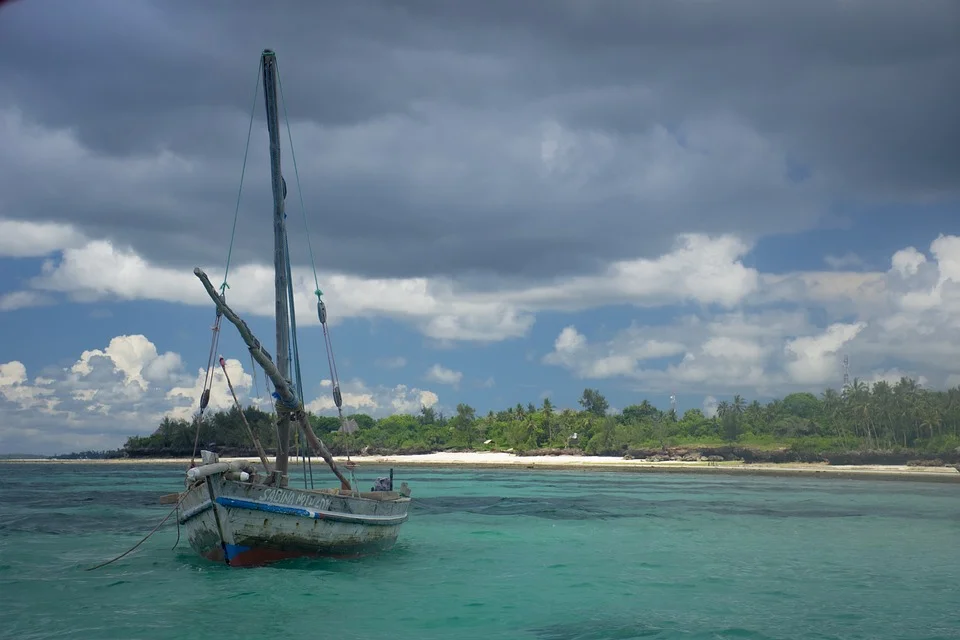
Rainy seasons bring lush greenery but can disrupt plans with downpours. The long rains (March–May) are intense, while short rains (November) are milder. If you’re flexible, these offer quieter visits at lower costs.
What Happens During the Long Rains from March to May?
March to May sees heavy rainfall, averaging 10–20 inches (250–500mm) monthly, especially in April. Humidity soars, and afternoons often feature thunderstorms. Many resorts close for maintenance, and roads can get muddy.
Pros:
- Lush landscapes make for stunning photos of waterfalls and forests.
- Fewer crowds mean intimate experiences in Stone Town’s museums.
- Lower prices on accommodations and tours.
Cons:
- Beach activities are limited; expect overcast skies and rough seas.
- Some flights and ferries face delays.
We’ve advised clients to avoid this if beaches are priority, but for budget adventurers, it’s a hidden gem—pair it with indoor cultural explorations.
How Do the Short Rains in November Affect Travel?
November brings lighter rains, mostly afternoon showers totaling 4–6 inches (100–150mm). Mornings are often sunny, with temperatures around 82–86°F (28–30°C).
Pros:
- Transitional weather allows for morning outings before rains.
- Emerging greenery revives spice plantations for aromatic tours.
- Shoulder-season deals on hotels.
Cons:
- Unpredictable showers can cancel water activities.
- Higher humidity than dry months.
From our tours, November works well for mixed itineraries—start with beaches, then shift to covered sites if needed.
What’s the Best Time for Beach Holidays in Zanzibar?

For pure beach bliss, aim for June to October or December to February. These dry periods ensure powdery sands without rain interruptions. Nungwi and Kendwa in the north offer calm waters year-round due to protected reefs, while east coast spots like Paje shine in low-wind seasons.
Top tips:
- June–October: Ideal for kitesurfing in windier spots like Jambiani.
- December–February: Best for sunbathing, with longer daylight hours.
- Avoid March–May for beaches, as high tides and rains erode sands.
We’ve seen guests extend stays just for those endless horizon views—nothing beats a beach picnic at sunset.
If you’re planning a beach-focused getaway, our team at Visit Zanzibar Island Tours can customize an itinerary with private transfers and resort recommendations.
When Is the Best Time for Diving and Snorkeling in Zanzibar?
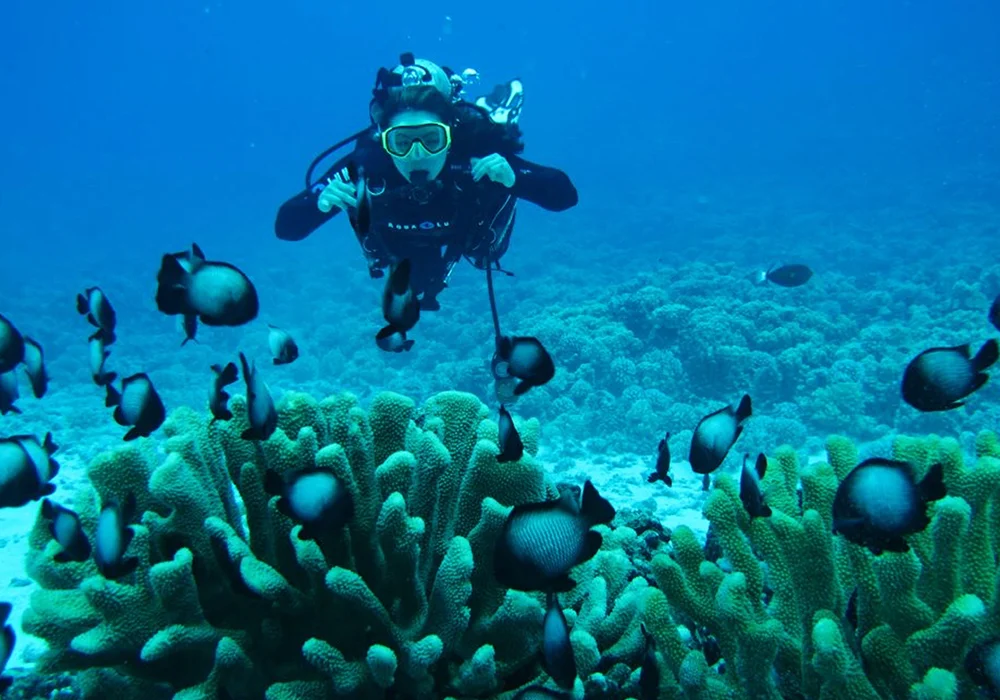


Diving and snorkeling thrive in warmer, clearer waters. October to March offers the best visibility (up to 100 feet/30m), with sites like Mnemba Atoll teeming with turtles, rays, and colorful fish. Water temps peak at 84°F (29°C) in February–March.
Breakdown:
- October–November: Calm seas post-dry season; spot dolphins and whale sharks.
- January–March: Warmest waters for extended dives, though March rains may occasionally reduce visibility.
- June–September: Cooler but still good; stronger currents suit advanced divers.
Safety first: Always dive with certified operators. We’ve partnered with top dive centers for years, ensuring eco-friendly experiences.
For expert guidance on dive spots, reach out to Visit Zanzibar Island Tours—we’ll handle gear rentals and bookings.
What’s the Best Time for Wildlife and Nature Tours in Zanzibar?


Zanzibar’s nature shines year-round, but dry seasons make trails accessible. June to October is optimal for Jozani-Chwaka Bay National Park, where red colobus monkeys are active in drier forests. Spice tours flourish then too, with harvests in July–September.
Highlights:
- December–February: Hot but great for butterfly spotting and mangrove kayaking.
- November, March: Rainy periods bring bird migrations and blooming flora, though muddy paths require sturdy shoes.
- Avoid peak rains in April–May for outdoor treks.
Our guided nature walks reveal hidden gems, like endemic species only locals know.
When Should You Visit for Festivals and Cultural Experiences?




Zanzibar’s cultural calendar adds magic to any trip. Time your visit around these events for authentic immersion.
Key festivals by month:
- February: Sauti za Busara—Africa’s premier music festival in Stone Town, featuring Swahili rhythms and global artists.
- June: Seafood Festival—celebrate fresh catches with beachside feasts and cooking demos.
- July: Zanzibar International Film Festival (ZIFF)—films, workshops, and dhow races; also Mwaka Kogwa, a Zoroastrian New Year with mock fights and feasts in southern villages.
- Monthly: Full Moon Parties in Nungwi—bonfires, music, and dancing under the stars.
- Variable: Eid al-Fitr and Eid al-Adha—lively street celebrations with feasts, depending on the lunar calendar.
Dry seasons (June–October) ensure outdoor events aren’t rained out. We’ve timed tours to coincide with these, creating unforgettable memories.
How Do Crowds and Prices Vary Throughout the Year in Zanzibar?
Crowds peak during dry seasons, aligning with higher prices, while rainy months offer savings and solitude.
Month-by-month overview:
- June–October: High crowds, especially July–August (European holidays); prices up 20–50% for hotels and flights.
- December–February: Busy with holidaymakers; premium rates around Christmas/New Year.
- November: Shoulder season—moderate crowds, 10–20% lower prices.
- March–May: Lowest crowds and prices (30–50% off); many deals, but some closures.
Insider tip: Book early for peak times. At Visit Zanzibar Island Tours, we negotiate rates year-round to fit your budget.
If you want personalized pricing for your dates, contact us for a free quote.
What Should You Pack Based on the Time of Year?

Packing smart ensures comfort in Zanzibar’s tropical setting. Focus on lightweight, breathable items, and adjust for seasons.
Essentials for all times:
- Swimwear (2–3 sets), cover-ups, and quick-dry towels.
- High-SPF reef-safe sunscreen, hat, sunglasses, and after-sun lotion.
- Insect repellent (DEET-based for evenings).
- Comfortable sandals, water shoes for rocky beaches, and light sneakers for tours.
- Reusable water bottle and basic first-aid kit.
By season:
- Dry Seasons (June–October, December–February): Light cotton clothes, shorts, T-shirts; add a light jacket for cooler June evenings.
- Rainy Seasons (March–May, November): Waterproof jacket, quick-dry pants, and umbrella; pack extra socks for muddy paths.
From our trips, we recommend a dry bag for boat excursions and modest clothing for Stone Town visits—respect local customs.
What Are Some Tips for Visiting During Shoulder Seasons?
Shoulder seasons like November or early June blend good weather with fewer crowds and better deals. Expect mixed sunny/rainy days, so plan flexible itineraries.
Practical advice:
- Book weather-independent activities first, like spice tours or cooking classes.
- Monitor forecasts via apps—mornings are often clearest.
- Take advantage of lower rates for luxury stays.
- Pack layers for variable temps.
We’ve turned shoulder-season trips into highlights by focusing on cultural depth over beaches.
Ready to explore?
Let Visit Zanzibar Island Tours craft a flexible plan that adapts to the weather.
FAQ
Is Zanzibar Worth Visiting During the Rainy Season?
Absolutely, if you prioritize savings and quiet vibes. March–May offers lush scenery and cultural immersion with fewer tourists, though beaches may be limited. November’s short rains are brief, allowing plenty of sunny intervals. Focus on indoor activities like museum visits or spa days—many resorts offer rainy-day discounts.
What’s the Cheapest Time to Visit Zanzibar?
March to May is the most budget-friendly, with hotel rates dropping 30–50% and flights cheaper due to low demand. Expect some closures, but open spots provide great value. November also sees deals as a shoulder month. Always compare via reliable operators for the best packages.
How Hot Does It Get in Zanzibar During Peak Dry Season?
In June–October, highs reach 77–82°F (25–28°C) with low humidity, feeling comfortable thanks to breezes. December–February pushes 86–93°F (30–34°C), hotter but dry—ideal for water activities. Stay cool with hydration, shade breaks, and ocean dips.
Can You Dive in Zanzibar Year-Round?
Yes, but conditions vary. October–March provides the clearest waters and warmest temps for beginners. June–September suits experienced divers with cooler currents. Always check with PADI-certified centers; visibility can drop during heavy rains in April–May.
What Wildlife Can You See in Zanzibar and When?
Red colobus monkeys in Jozani Forest are visible year-round, but drier months (June–October) make spotting easier on clear trails. Sea turtles hatch March–June on beaches like those in Pemba. Birdwatching peaks in rainy seasons with migrations—bring binoculars for over 200 species.
Are There Any Health Considerations When Timing Your Zanzibar Trip?
Malaria risk is present year-round; take prophylactics and use repellents, especially in rainy months when mosquitoes increase. Yellow fever vaccination is required if coming from endemic areas. Dry seasons have fewer bugs. Consult a travel doctor 4–6 weeks before departure.
How Do You Get to Zanzibar and Does Timing Affect Travel?
Fly into Abeid Amani Karume International Airport (ZNZ) from major hubs like Dar es Salaam or Nairobi. Ferries from Dar run daily but can be rough in windy June–August. Peak seasons mean busier flights—book ahead. Shoulder months offer smoother, less crowded arrivals.
What’s the Best Time for Families to Visit Zanzibar?
June–October or December–February, when weather supports kid-friendly beaches and pools. Avoid rains to prevent disruptions. Look for resorts with family activities; holidays add festive fun. We’ve planned many family trips focusing on safe, engaging experiences.
Does Zanzibar Have Any Unique Seasonal Foods or Experiences?
Yes—July–September spice harvests let you taste fresh cloves and vanilla on tours. February’s music festival pairs with street foods like urojo soup. Rainy seasons bring abundant mangoes and seafood. Dry months feature grilled octopus at beach barbecues—don’t miss Forodhani Gardens’ night market.
Conclusion
The best time to visit Zanzibar depends on your priorities—but for most travelers, June to October and December to February offer the best balance of weather, experiences, and reliability.
That said, some of the most memorable trips happen in quieter months when the island feels slower, greener, and more personal.
As locals who plan trips in every season, we believe there’s a perfect Zanzibar moment for every traveler. If you want help choosing the right time—or building a trip around your goals—We are here to guide you with real experience and honest advice.
Your Zanzibar journey starts with the right timing—and the right local partner.