Zanzibar is a Tanzanian archipelago famous for its white-sand beaches, UNESCO-listed Stone Town, spice plantations, and rich Swahili culture. The best time to visit is the dry season (June–October) for mild weather and clear skies, or December–March for warmer, sunny days. Fly into Abeid Amani Karume International Airport (ZNZ). Most travelers need a visa ($50–100), available via e-visa or on arrival. Top highlights include Nungwi and Paje beaches, Jozani Forest, Prison Island, and spice tours. Tourist areas are generally safe with standard precautions.
Planning a trip to Zanzibar can feel exciting—and confusing at the same time. When should you visit? Where should you stay? Is it expensive? What’s worth doing and what’s not?
This Zanzibar travel guide is written by people who work on the ground every day, helping travelers experience the island beyond glossy photos. Our goal is simple: help you plan your Zanzibar trip with confidence, clarity, and realistic expectations.
In this comprehensive guide, you’ll learn:
- What Zanzibar really offers (and what it doesn’t)
- The best time to visit based on weather and activities
- Where to stay depending on your travel style
- What to do, what to skip, and how to plan efficiently
- Practical tips most guides leave out
If you want a clear, honest, and complete Zanzibar travel guide—all you need to know in one place—you’re in the right spot.
Table of Contents
Where Is Zanzibar and Why Should You Visit?
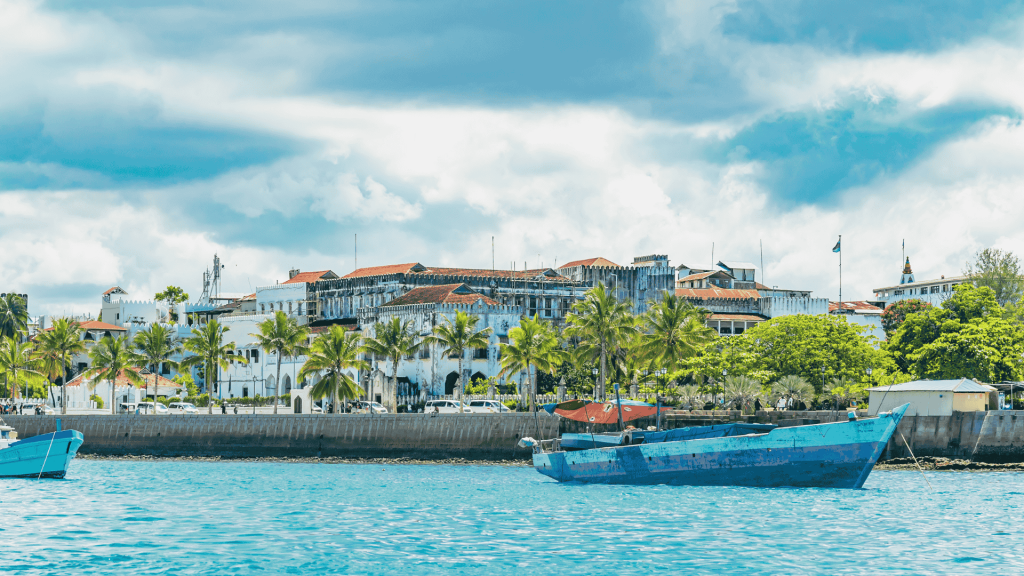
Zanzibar sits 25-50 kilometers off Tanzania’s east coast in the Indian Ocean. The archipelago consists of two main islands—Unguja (commonly called Zanzibar) and Pemba—plus dozens of smaller islets surrounded by coral reefs.
What makes Zanzibar special:
- Beaches that match the postcards: Powder-white sand, palm trees, and water in every shade of blue imaginable
- Living history: Stone Town’s UNESCO-listed old quarter preserves centuries of Swahili, Arab, Persian, Indian, and European influences
- Cultural richness: A unique blend of African, Arab, and Indian traditions creates something you won’t find anywhere else
- Marine wonders: Some of East Africa’s best diving and snorkeling, with dolphins, sea turtles, and vibrant coral gardens
- The spice factor: Zanzibar earned its nickname “Spice Island” for good reason—cloves, vanilla, cardamom, and cinnamon grow abundantly here
The archipelago works beautifully as a standalone destination or as a relaxing finale after a Tanzania safari.
Most visitors spend 5-7 days here, though you could easily fill two weeks exploring different areas.
When Is the Best Time to Visit Zanzibar?
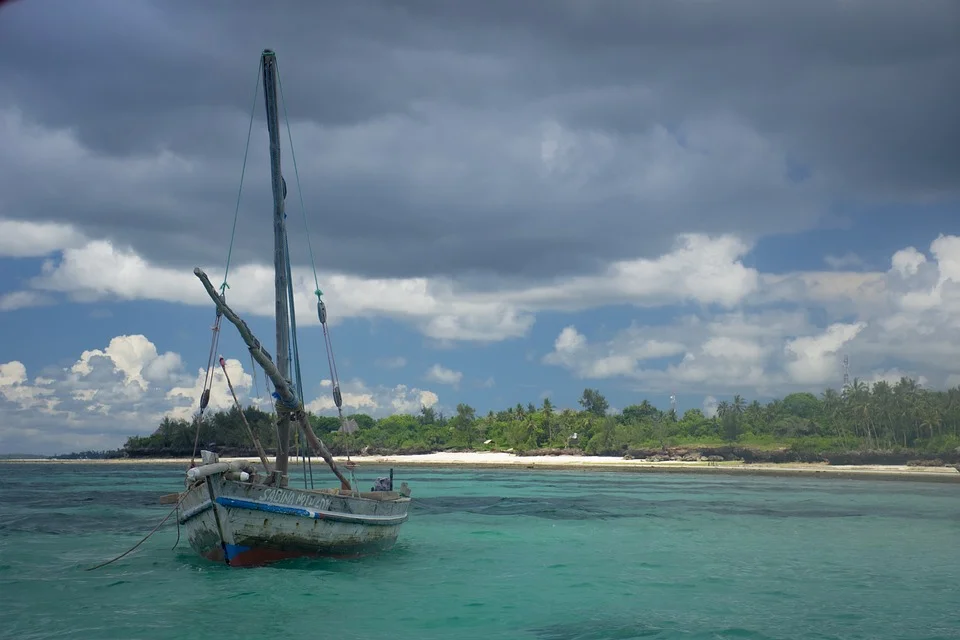
Zanzibar has a tropical climate with two main dry seasons and two rainy periods. Your ideal travel time depends on what matters most to you.
Peak Season: June to October
This is Zanzibar’s high season for good reason. You’ll experience:
- Minimal rainfall and low humidity
- Comfortable temperatures (25-28°C / 77-82°F)
- Excellent beach weather and calm seas
- Perfect diving and snorkeling visibility
- Reliable sunshine for outdoor activities
The trade-off? Higher prices and busier beaches, especially in July and August. Book accommodations well in advance if traveling during these months.
Secondary Peak: Late December to February
Another excellent window with warm, dry weather. This period sees:
- Hot temperatures (28-32°C / 82-90°F)
- Minimal rain except for occasional brief showers
- Popular with European winter escapees
- Higher accommodation rates, particularly around Christmas and New Year
Shoulder Season: March and November
These transitional months offer a sweet spot for some travelers:
- Lower prices on accommodations and tours
- Fewer crowds at popular sites
- Occasional rain, but typically short afternoon showers
- Still warm and generally pleasant
- Good value if you’re flexible with weather
Low Season: April, May, and November
The long rains (April-May) and short rains (November) bring:
- Significant discounts (sometimes 30-50% off peak rates)
- Quiet beaches and peaceful atmosphere
- Frequent heavy rainfall, especially in April and May
- Some businesses close or reduce services
- Choppy seas can limit water activities
Best for beaches and water sports: June-October Best for budget travelers: April-May Best overall balance: June-July or September-October
How Do I Get to Zanzibar?

By Air
Abeid Amani Karume International Airport (ZNZ) serves Unguja Island and connects to multiple destinations.
International flights: Direct connections from Nairobi, Dar es Salaam, Addis Ababa, Doha, and several European cities (often seasonal). Most travelers from North America, Europe, or Asia connect through these hubs.
Domestic flights: Frequent daily flights from Dar es Salaam (30-40 minutes), Arusha (1.5 hours), and Kilimanjaro Airport. Several carriers operate these routes, including Precision Air, Coastal Aviation, and Auric Air.
Pro tip: If you’re arriving from a Tanzania safari, flights from Arusha or Serengeti airstrips are convenient and scenic. Need reliable airport transfers in Zanzibar? Visit Zanzibar Island Tours offers comfortable, punctual service to any hotel on the island.
By Ferry
Fast ferries connect Dar es Salaam to Zanzibar in about 2 hours. Main operators include Azam Marine and Kilimanjaro Fast Ferries.
- Departures multiple times daily in both directions
- Tickets cost $35-50 one way
- Book tickets in advance during high season
- Air-conditioned cabins available for a premium
- Bring motion sickness medication if you’re prone to seasickness
The ferry dock in Stone Town is centrally located, making this option convenient if you’re staying in or near the old quarter.
What Are the Visa and Entry Requirements?

Most visitors can obtain a visa on arrival at Zanzibar Airport or the ferry terminal.
Visa on Arrival
- Cost: $50 USD for most nationalities (single entry, 90 days)
- Payment: US dollars (cash) or credit card (though card machines sometimes malfunction—bring cash as backup)
- Requirements: Passport valid for at least 6 months beyond your travel date, return/onward ticket
- Processing time: Usually 15-45 minutes depending on flight arrivals
Check before you travel: A few nationalities require advance visa approval or pay different fees. Verify current requirements for your specific passport.
Yellow Fever Certificate
Tanzania requires proof of yellow fever vaccination if you’re arriving from a country where yellow fever is endemic. This includes travelers coming from Kenya or other African nations with yellow fever risk.
If you’re flying directly from Europe, North America, or Asia, you typically don’t need this certificate. However, requirements can change, so confirm based on your routing.
Other Entry Documents
- Passport with at least one blank page for stamps
- Proof of accommodation (hotel booking or invitation letter)
- Return or onward travel ticket
Immigration officers rarely ask for the last two items, but having them available prevents potential issues.
Is Zanzibar Safe for Travelers?
Yes, Zanzibar is generally safe for tourists and welcomes hundreds of thousands of visitors annually without incident. That said, sensible precautions keep your trip trouble-free.
Personal Safety
- Violent crime against tourists is rare
- Petty theft (pickpocketing, bag snatching) occurs in crowded areas, especially Stone Town and busy beaches
- Don’t display expensive jewelry, cameras, or large amounts of cash
- Use hotel safes for passports and valuables
- Walk in groups after dark, especially in Stone Town’s narrow alleys
Beach and Water Safety
- Strong currents and riptides affect some beaches—ask locals before swimming in unfamiliar spots
- Wear reef-safe shoes to protect against sea urchins and sharp coral
- Only swim at beaches with other people present
- Book water activities through reputable operators
- Check weather forecasts before boat trips
Cultural Sensitivity
Zanzibar’s population is predominantly Muslim. Respectful behavior prevents uncomfortable situations:
- Dress modestly outside beach resorts, especially in Stone Town and villages (cover shoulders and knees)
- Swimwear belongs on the beach—cover up when walking through town
- During Ramadan, avoid eating, drinking, or smoking in public during daylight hours
- Ask permission before photographing people, particularly women
- Public displays of affection should be minimal
Scams to Watch For
- “Beach boys” offering unsolicited tour services or spice farm visits at inflated prices
- Taxi drivers taking indirect routes or inflating fares
- Souvenir vendors starting at extremely high prices
- Fake spice farm tours with poor quality and pushy sales tactics
The solution: Book tours through established operators like Visit Zanzibar Island Tours, agree on taxi fares before departing, and don’t be afraid to walk away from aggressive sellers.
What Health Precautions Should I Take?
Malaria Prevention
Zanzibar has malaria risk year-round, though rates have decreased significantly due to control programs.
Recommended precautions:
- Consult a travel medicine clinic 4-6 weeks before departure about antimalarial medication
- Use insect repellent containing DEET (30-50%)
- Sleep under mosquito nets (most hotels provide them)
- Wear long sleeves and pants during dawn and dusk when mosquitoes are most active
- Consider permethrin-treated clothing
Vaccinations
Routine vaccines: Ensure you’re up to date on routine vaccinations (MMR, tetanus, etc.)
Recommended for Zanzibar:
- Hepatitis A (food and water-borne)
- Typhoid (food and water-borne)
- Hepatitis B (if you’ll have medical procedures or intimate contact)
- Yellow fever (if arriving from endemic areas)
Consult your doctor or a travel clinic for personalized advice.
Water and Food Safety
- Drink only bottled or filtered water
- Avoid ice in drinks unless you know it’s made from purified water
- Eat at busy restaurants where food turnover is high
- Thoroughly cooked food is safest
- Be cautious with raw fruits and vegetables unless you can peel them yourself
Sun Protection
The equatorial sun is intense:
- Use SPF 30+ sunscreen and reapply frequently
- Wear a hat and UV-protective sunglasses
- Seek shade during midday (11am-3pm)
- Stay hydrated—drink more water than you think you need
Travel Insurance
Quality travel insurance is essential. Ensure your policy covers:
- Medical treatment and evacuation
- Diving and water sports (if applicable)
- Trip cancellation and interruption
- Lost or stolen belongings
Medical facilities in Zanzibar handle minor issues, but serious conditions require evacuation to Dar es Salaam or Nairobi.
How Much Does a Trip to Zanzibar Cost?

Zanzibar accommodates various budgets, from backpackers to luxury seekers.
Budget Travel: $50-80 per day
- Guesthouses or budget hotels: $20-40 per night
- Local restaurants and street food: $10-15 daily
- Shared taxis or dalla-dallas (local buses): $5-10 daily
- Basic tours and activities: $15-25
Mid-Range Travel: $100-200 per day
- Comfortable 3-star hotels or boutique guesthouses: $60-120 per night
- Mix of local and tourist restaurants: $25-40 daily
- Private taxis and occasional tours: $20-30 daily
- Standard excursions and water activities: $30-60
Luxury Travel: $300+ per day
- High-end beach resorts or boutique hotels: $200-500+ per night
- Resort dining and upscale restaurants: $60-100+ daily
- Private guides and transfers: $50-100 daily
- Premium activities (diving, private charters): $100-200+
Specific Costs to Consider
- Stone Town hotel: $30-150 per night depending on quality
- Beach resort: $80-400+ per night
- Restaurant meal: $5-30 depending on venue
- Beer or cocktail: $2-8
- Snorkeling trip: $35-60
- Scuba diving (2 dives): $80-120
- Spice tour: $25-40
- Prison Island trip: $25-35
- Jozani Forest entrance: $10
Money-saving tips:
- Stay in Stone Town and take day trips to beaches rather than paying beach resort rates
- Eat at local Swahili restaurants (delicious and authentic at 1/3 the price)
- Book tours directly through operators like Visit Zanzibar Island Tours rather than hotel concierges
- Visit during shoulder season for better accommodation rates
- Negotiate taxi fares before getting in
Where Should I Stay in Zanzibar?
Different areas suit different priorities. Here’s how to choose.
Stone Town: For Culture and Convenience
Zanzibar’s historic heart offers narrow alleyways, centuries-old architecture, bustling markets, and cultural immersion.
Best for: History enthusiasts, cultural travelers, those who want a non-beach experience, budget-conscious visitors
Advantages:
- Walking distance to restaurants, shops, and attractions
- Authentic local atmosphere
- Widest range of accommodation prices
- Easy access to ferry terminal and tours
Disadvantages:
- No beaches within walking distance (though you can arrange day trips)
- Can feel crowded and hot during the day
- Some areas lack ocean views
Consider booking a Stone Town tour to explore the historic quarter with an expert local guide.
Nungwi: The Party Beach
The northern tip of Unguja offers stunning sunsets, lively beach bars, and social atmosphere.
Best for: Young travelers, party-goers, those who want nightlife, water sports enthusiasts
Advantages:
- Beautiful beaches with minimal tidal variation
- Abundant restaurants and bars
- Great diving and snorkeling nearby
- Energetic, social vibe
Disadvantages:
- Can feel crowded and commercialized
- Beach vendors can be persistent
- Less authentic cultural experience
- Higher prices than other areas
Kendwa: Nungwi’s Quieter Neighbor
Just south of Nungwi, Kendwa offers similar beaches with a more relaxed atmosphere.
Best for: Couples, those seeking moderate activity levels, sunset lovers
Advantages:
- Gorgeous beach with minimal tidal changes
- More laid-back than Nungwi
- Excellent swimming conditions
- Famous full-moon parties (if you want occasional nightlife)
Disadvantages:
- Still relatively developed
- Limited cultural experiences
- Can be pricey
Paje: The Kite-Surfing Capital
East coast village known for consistent winds and a bohemian vibe.
Best for: Kite-surfers, active travelers, budget to mid-range visitors, backpackers
Advantages:
- World-class kite-surfing conditions
- Authentic village atmosphere
- Good value accommodations
- Long, beautiful beach
Disadvantages:
- Significant tides affect swimming times
- Less suitable for non-active beach lounging
- Further from the airport (90+ minutes)
Jambiani: Peaceful and Authentic
A quieter east coast village with local character and beautiful beaches.
Best for: Those seeking tranquility, authentic village experience, budget travelers
Advantages:
- Peaceful, uncommercialized atmosphere
- Genuine interaction with local community
- Beautiful long beach
- Affordable accommodations
Disadvantages:
- Limited restaurant choices
- Strong tides create seaweed at certain times
- Fewer organized activities
Matemwe: Remote Luxury
Northeast coast location offering seclusion and upscale options.
Best for: Honeymoons, luxury seekers, those who want privacy
Advantages:
- Pristine, less-crowded beaches
- Excellent diving and snorkeling at Mnemba Atoll
- High-end boutique resorts
- Peaceful atmosphere
Disadvantages:
- Limited budget options
- Fewer restaurants outside resorts
- Tidal variations affect swimming
Michamvi Peninsula: Off the Beaten Path
Southeast location featuring The Rock restaurant and emerging boutique hotels.
Best for: Photographers, those seeking unique experiences, mid-range to luxury travelers
Advantages:
- Stunning scenery and photo opportunities
- Less developed and touristy
- Unique accommodations
- Access to both coasts
Disadvantages:
- Limited infrastructure
- Fewer activity options
- Requires transportation for most activities
Our recommendation: Spend 2-3 nights in Stone Town to explore the culture and history, then head to a beach area matching your style for 4-5 days of relaxation. Consider our multi-day holiday packages that combine cultural exploration with beach time.
What Are the Must-Do Experiences in Zanzibar?




Explore Stone Town’s UNESCO Heritage
Wander the labyrinthine streets of this historic quarter where Arabic, Persian, Indian, and European influences merge.
Don’t miss:
- The Old Fort and House of Wonders
- Forodhani Gardens night food market
- Anglican Cathedral (built on the former slave market site)
- Darajani Market for local life and spices
- Intricate carved wooden doors throughout the old town
Insider tip: Get lost intentionally. The best discoveries happen when you’re not following a map. For a deeper understanding, join a guided Stone Town tour with local experts.
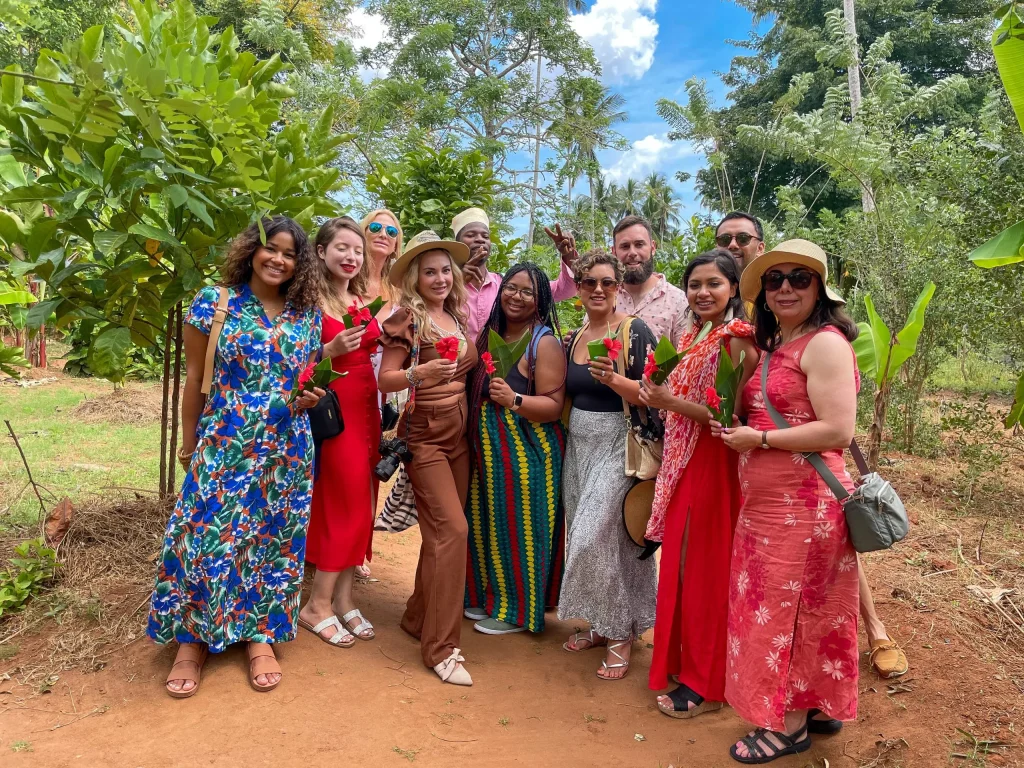
Take a Spice Tour
Understand why Zanzibar is called the Spice Island by visiting working spice farms.
You’ll see, smell, and taste:
- Cloves, vanilla, cardamom, cinnamon, and nutmeg growing
- Black pepper vines and lemongrass
- Tropical fruits like jackfruit, rambutan, and starfruit
- How spices are harvested and processed
Spice farm tours typically include lunch and cost $25-40. Book through a reputable operator to avoid pushy sales tactics.
Visit Prison Island (Changuu Island)
A 20-minute boat ride from Stone Town takes you to this small island famous for giant Aldabra tortoises.
What you’ll experience:
- Tortoises over 100 years old that you can feed and photograph
- Good snorkeling off the island’s beaches
- History of the island’s use as a quarantine station
- Peacocks roaming freely
Prison Island tours cost $25-35 including boat transfer, entrance fee, and snorkeling.
Snorkel or Dive World-Class Reefs
Zanzibar’s coral reefs host incredible marine biodiversity.
Best spots:
- Mnemba Atoll: Pristine coral gardens, dolphins, sea turtles, reef fish
- Tumbatu Island: Less-visited northern site with good coral
- Leven Bank: For experienced divers—deep wall dive
- Pange Reef: Beginner-friendly shore dive
Diving credentials: If you’re not certified, several operators offer PADI courses. Scuba diving experiences work for first-timers wanting a taste.
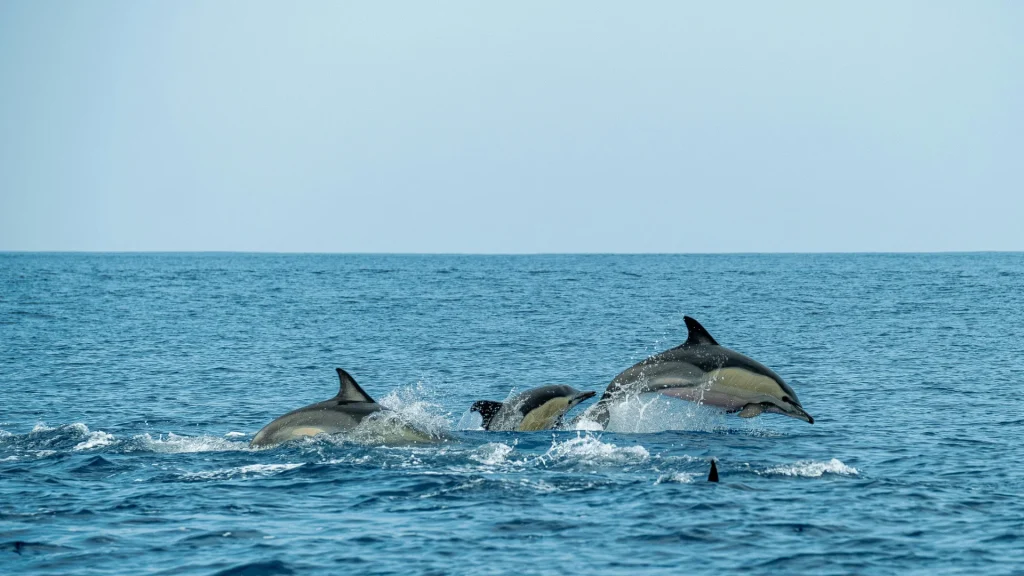
Swim with Wild Dolphins
Kizimkazi, on the southern tip, offers dolphin-watching trips.
Important considerations:
- Dolphins are wild and sightings aren’t guaranteed (though common)
- Choose operators following ethical guidelines (no chasing or touching)
- Morning trips offer better sighting chances
- Combine with snorkeling at nearby reefs
Dolphin tours cost $30-50 for a half-day trip.
Experience Jozani Chwaka Bay National Park
Zanzibar’s only national park protects the rare Kirk’s red colobus monkey found nowhere else.
What you’ll see:
- Red colobus monkeys in their natural habitat (nearly guaranteed)
- Sykes’ monkeys and bushbabies
- Mangrove boardwalk through unique ecosystems
- Diverse tropical forest birds and vegetation
Jozani Forest tours include entrance fee and guided walks lasting about 1.5-2 hours.
Sail on a Traditional Dhow
These traditional wooden sailing vessels have plied these waters for centuries.
Options include:
- Sunset cruises with drinks and snacks
- Full-day sailing and snorkeling trips
- Multi-day island-hopping adventures
- Romantic private charters
Sunset dhow cruises ($30-50) are particularly magical as dhows glide silently across calm waters with the sun setting behind you.
Experience Safari Blue
One of Zanzibar’s most popular full-day adventures, Safari Blue takes you sailing on traditional dhows to pristine sandbanks and snorkeling sites in the Menai Bay Conservation Area. You’ll enjoy a seafood barbecue on a deserted island, swim in lagoons, and explore mangrove forests.
Watch Tides Transform the Landscape
Zanzibar’s dramatic tides create ever-changing beach scenes.
During low tide on east coast beaches:
- Locals harvest seaweed
- You can walk far out onto exposed sand flats
- Rock pools form with trapped fish and starfish
- Unique photo opportunities emerge
High tide brings:
- Excellent swimming conditions
- Water sports activities
- Different perspective of the same beach
Check tide tables to plan your beach time—some visitors prefer the expansive low-tide views, while swimmers need high tide.
What Should I Eat in Zanzibar?

Zanzibar’s cuisine reflects its history as a cultural crossroads, blending African, Arab, Indian, and European influences.
Must-Try Dishes
Zanzibar Pizza Don’t let the name fool you—this is nothing like Italian pizza. Street vendors create thin dough pockets filled with meat, vegetables, cheese, and sometimes egg, then fry them on a hot griddle. Sweet versions with chocolate and banana make excellent desserts. Find them at Forodhani Gardens after sunset.
Urojo (Zanzibar Mix) A tangy, spicy soup that’s a local breakfast favorite. The base combines mango, tamarind, and coconut with crispy fried potatoes, bhajias (fried lentil cakes), and various chutneys. Every vendor has a slightly different recipe.
Biryani Zanzibar’s Indian influence shines in this fragrant rice dish layered with spiced meat (chicken, goat, or beef) and potatoes. It’s slow-cooked until the flavors meld perfectly.
Octopus Curry Fresh octopus cooked in coconut milk with aromatic spices creates a tender, flavorful dish. Often served with rice or ugali (corn porridge).
Mishkaki Marinated meat skewers (usually beef or chicken) grilled over charcoal. The marinade typically includes ginger, garlic, lime, and chili.
Fresh Seafood Given Zanzibar’s location, seafood is exceptionally fresh. Grilled fish, lobster, prawns, and crab feature prominently. Many beachfront restaurants let you choose your seafood fresh from the catch.
Tropical Fruits Beyond the familiar (mangoes, pineapples, bananas), try:
- Rambutan: Sweet, grape-like flesh in a hairy red shell
- Passion fruit: Tart pulp perfect in juice
- Jackfruit: Sweet, fibrous flesh with a unique flavor
- Custard apple: Creamy, sweet interior
Where to Eat
Forodhani Gardens (Stone Town): Night food market offering the full Zanzibar street food experience. Inexpensive and atmospheric, though hygiene standards vary. Arrive around 6-7 PM when vendors set up.
Local Restaurants: Places like Lukmaan Restaurant and Passing Show Hotel Restaurant serve authentic Swahili food at local prices ($3-6 per meal).
Beachfront Dining: Sunset dining with your feet in the sand. Expect to pay $15-30 for mains at tourist-oriented venues.
Resort Restaurants: High-end options serving international cuisine alongside Swahili-inspired dishes. Mains run $20-40.
Pro tip: Ask locals for their favorite spots. The best authentic food often comes from tiny, unmarked restaurants that don’t appear in guidebooks. Our village culture tours include authentic local meals.
How Do I Get Around Zanzibar?

Taxis and Private Transfers
The most convenient option for visitors.
- No meters—negotiate fares before departure
- Stone Town to beach areas: $40-60
- Short trips within Stone Town: $5-10
- Airport transfers: $30-50 depending on destination
- Many hotels arrange airport pickups
Tip: Agree on the price clearly before getting in. Some drivers quote per person rather than per vehicle. For reliable, fixed-price service, book airport and hotel transfers in advance.
Dalla-Dallas (Local Minibuses)
Shared minibuses serving set routes, packed with locals and their goods.
- Extremely cheap ($1-3 for most routes)
- Authentic local experience
- No fixed schedules—they leave when full
- Crowded and slow
- Not practical with large luggage
Great for adventurous travelers on a tight budget who aren’t in a hurry.
Rental Cars and Scooters
Self-drive options are available but come with challenges.
Considerations:
- Roads vary from good tarmac to rough dirt
- Signage is minimal
- Driving is on the left
- Traffic rules are loosely followed
- International driving permit required
- Insurance coverage often limited
If you prefer the flexibility of your own vehicle with transparent pricing and well-maintained cars, consider car rental services with optional local drivers.
Organized Tours
Most visitors book tours that include transportation.
Benefits:
- Expert local knowledge
- No navigation stress
- Often better prices than creating DIY trips
- Built-in cultural interpretation
If you’re planning a shorter visit, the convenience of organized tours helps you see more in less time. Explore our full range of Zanzibar tours and experiences.
What Should I Pack for Zanzibar?

Essentials
- Lightweight, breathable clothing: Cotton and linen work best in the heat
- Modest clothing for Stone Town: Long pants or skirts, shirts that cover shoulders
- Swimwear: Multiple options since they take time to dry
- Sun protection: High SPF sunscreen (reef-safe if possible), hat, sunglasses
- Reef-safe insect repellent: DEET 30-50%
- Water shoes: Protection from sea urchins and sharp coral
- Light rain jacket: For unexpected showers, even in dry season
- Comfortable walking shoes: For Stone Town’s uneven streets
- Flip-flops/sandals: Beach and casual wear
Helpful Additions
- Dry bag for water activities
- Underwater camera or phone case
- Power adapter (UK-style 3-pin plugs, 220V)
- Basic first-aid kit
- Antimalarial medication
- Motion sickness tablets (for ferries and boats)
- Small flashlight (some areas have unreliable power)
- Cash in US dollars (newer bills, no tears)
What NOT to Pack
- Excessive formal clothing (Zanzibar is casual)
- Heavy jeans (too hot)
- Too many shoes (you’ll live in flip-flops)
- Expensive jewelry (leave it at home)
Cultural note: Pack a light scarf or sarong to cover shoulders and legs when visiting mosques or walking through conservative areas.
Can I Combine Zanzibar with a Safari?
Absolutely—and many travelers do exactly this.
Zanzibar makes an excellent “beach and bush” combination with mainland Tanzania safaris.
Typical Itinerary Structure
Days 1-6: Safari in Serengeti, Ngorongoro Crater, Tarangire, or southern Tanzania parks
Days 7-12: Zanzibar for beach relaxation and cultural exploration
This arrangement works well because:
- You decompress after the intensity of game drives
- Zanzibar’s beaches feel even more appealing after dusty safari days
- Logistics are straightforward with good flight connections
- Tour operators easily arrange combined packages
Getting from Safari to Zanzibar
From Northern Tanzania (Serengeti/Ngorongoro):
- Fly from Seronera, Kogatende, or another Serengeti airstrip to Zanzibar (typically via Arusha)
- Flight time: 2-3 hours including connections
From Southern Tanzania:
- Direct flights from Selous/Nyerere or Ruaha to Zanzibar
- Flight time: 1-2 hours
From Arusha or Kilimanjaro Airport:
- Direct flights to Zanzibar multiple times daily
- Flight time: 1-1.5 hours
How Many Days in Each?
Safari: 4-7 days gives you a solid wildlife experience Zanzibar: 4-7 days allows beach time plus cultural exploration
Two weeks total creates an ideal combination without feeling rushed. We offer a Mikumi day trip safari from Zanzibar if you’d like to add a wildlife experience to your beach holiday.
If you’re planning this kind of trip, working with an operator that handles both components simplifies logistics and often provides better value than booking separately.
What About Responsible and Sustainable Travel?
Tourism significantly impacts Zanzibar’s economy, environment, and culture. Thoughtful choices help preserve what makes the island special.
Environmental Responsibility
- Use reef-safe sunscreen to protect coral ecosystems
- Refuse single-use plastics when possible
- Don’t touch or stand on coral when snorkeling or diving
- Participate in beach cleanups if opportunities arise
- Choose accommodations with environmental certifications or practices
- Conserve water (Zanzibar has limited freshwater resources)
Cultural Respect
- Dress modestly outside beach resorts
- Learn basic Swahili greetings (locals appreciate the effort)
- Ask permission before photographing people
- Support local businesses and craftspeople
- Respect Ramadan customs if visiting during this period
- Avoid purchasing products made from endangered species (shells, turtle products)
Our village culture tours provide authentic cultural exchanges that benefit local communities directly.
Economic Impact
- Buy directly from local artisans rather than resort gift shops
- Eat at Swahili restaurants, not just tourist establishments
- Tip service workers appropriately (10% in restaurants, $5-10/day for guides)
- Book tours through local operators when possible
- Bargain respectfully at markets (it’s expected, but don’t push too hard)
Wildlife Considerations
- Choose dolphin tours that follow ethical viewing guidelines
- Don’t feed monkeys or other wildlife
- Keep distance from sea turtles when snorkeling
- Select diving operators certified in sustainable practices
- Avoid elephant rides or exploitative animal attractions
Small choices add up. When thousands of visitors make responsible decisions, it preserves Zanzibar for future generations while ensuring local communities benefit from tourism.
Frequently Asked Questions
Do I need travel insurance for Zanzibar?
Yes, comprehensive travel insurance is strongly recommended. Medical facilities on Zanzibar can handle minor issues, but serious conditions require medical evacuation to Dar es Salaam, Nairobi, or beyond, which costs tens of thousands of dollars without insurance. Ensure your policy covers medical treatment, emergency evacuation, trip cancellation, and activities you plan to do (particularly diving or water sports). Most quality policies cost $50-150 for a two-week trip.
What language is spoken in Zanzibar?
Swahili is the primary language, spoken by virtually everyone. English is widely spoken in tourist areas, hotels, and by tour guides, so English-speaking visitors rarely face communication barriers. Learning a few Swahili phrases (jambo/hello, asante/thank you, karibu/welcome) is appreciated by locals and enhances cultural connections. In Stone Town, you’ll also hear Arabic and other languages reflecting the island’s diverse heritage.
Can I drink alcohol in Zanzibar?
Yes, alcohol is available despite Zanzibar’s predominantly Muslim population. Hotels, resorts, and tourist-oriented restaurants serve beer, wine, and cocktails. However, alcohol isn’t sold in local shops or many restaurants in Stone Town and villages. Most beachfront establishments have full bars. Avoid drinking in public spaces outside tourist areas, and never drink during daylight hours of Ramadan in non-tourist areas out of respect for local customs.
Are credit cards widely accepted?
Credit cards work at upscale hotels, established tour operators, and some restaurants, but cash remains king. Many smaller businesses, local restaurants, markets, and transportation providers accept only cash. ATMs exist in Stone Town and larger beach areas, though they sometimes run out of money or malfunction. Bring US dollars as backup, which you can exchange at bureaus in Stone Town for Tanzanian shillings at better rates than hotels offer.
Is Zanzibar suitable for families with children?
Absolutely. Zanzibar welcomes families and offers safe, engaging experiences for kids. Beaches have calm, shallow waters perfect for young children (especially on the west coast). Many activities suit families: swimming with dolphins, spice tours, visiting giant tortoises on Prison Island, and snorkeling in clear waters. Most mid-range and upscale hotels accommodate families with larger rooms or adjoining rooms. Just take standard health precautions (malaria prevention, sun protection, safe food practices) and you’ll have a memorable family vacation.
What’s the WiFi situation like?
WiFi availability varies significantly. Most hotels and resorts offer WiFi, though connection quality ranges from excellent at upscale properties to frustratingly slow at budget places. Stone Town has improving connectivity with many cafes and restaurants offering WiFi. Remote beach areas sometimes have limited or no connectivity—which some travelers consider a feature rather than a bug. If you need reliable internet for work, choose accommodations carefully and have backup plans. Mobile data plans through local providers (Vodacom, Airtel) work well if you need consistent connectivity.
Can I visit Zanzibar during Ramadan?
Yes, but be aware of how the Islamic holy month affects daily life. Muslims fast from sunrise to sunset, meaning most local restaurants close during daylight hours. Tourist restaurants and hotels continue serving food to non-Muslim guests, though more discreetly. Avoid eating, drinking, or smoking in public view during fasting hours out of respect. Evenings become festive as people break their fast together. Some aspects of nightlife may be quieter. Experiencing Ramadan offers unique cultural insights, but if your primary interest is dining and nightlife, other times of year might suit you better.
What’s the tipping culture in Zanzibar?
Tipping isn’t mandatory but is appreciated for good service. General guidelines: restaurants 10% if service charge isn’t included, safari guides $10-20 per person per day, hotel staff $1-2 per service, taxi drivers small amounts for exceptional service ($1-2), spa services 10%. Many service workers earn modest wages and appreciate tips, but avoid over-tipping, which can create unrealistic expectations that hurt budget travelers who follow. If service is poor, don’t feel obligated to tip—your feedback helps maintain standards.
Are there ATMs on the island?
Yes, ATMs exist primarily in Stone Town and some larger beach areas like Nungwi. They dispense Tanzanian shillings and sometimes have withdrawal limits of 400,000-600,000 TZS per transaction (about $150-250). ATMs occasionally run out of cash or malfunction, especially after weekends or holidays. Don’t rely solely on ATMs—bring backup US dollars you can exchange at forex bureaus. If staying in remote areas, withdraw sufficient cash before leaving Stone Town.
Conclusion
This Zanzibar travel guide covers everything you need to plan a confident, enjoyable, and meaningful trip—from when to visit and where to stay, to what to do and how to experience the island respectfully.
Zanzibar rewards travelers who plan well and stay curious. Whether you want culture, beaches, adventure, or pure relaxation, the island delivers—when done right.
If you’re planning your Zanzibar trip and want local expertise, honest advice, or help organizing tours and transfers, talking to people who live and work here can make all the difference.
Your Zanzibar journey starts with good information—and now you have it.
Ready to turn this guide into your own Zanzibar story? \
We specialize in creating personalized Zanzibar experiences—from beach getaways and cultural immersions to combined safari-and-beach adventures. Our local expertise ensures you discover not just the famous highlights, but also the authentic moments that make Zanzibar unforgettable.
Whether you’re interested in our curated tour packages, single-day experiences, or custom itineraries, we’re here to help. Contact our team and let’s start planning your perfect island escape.