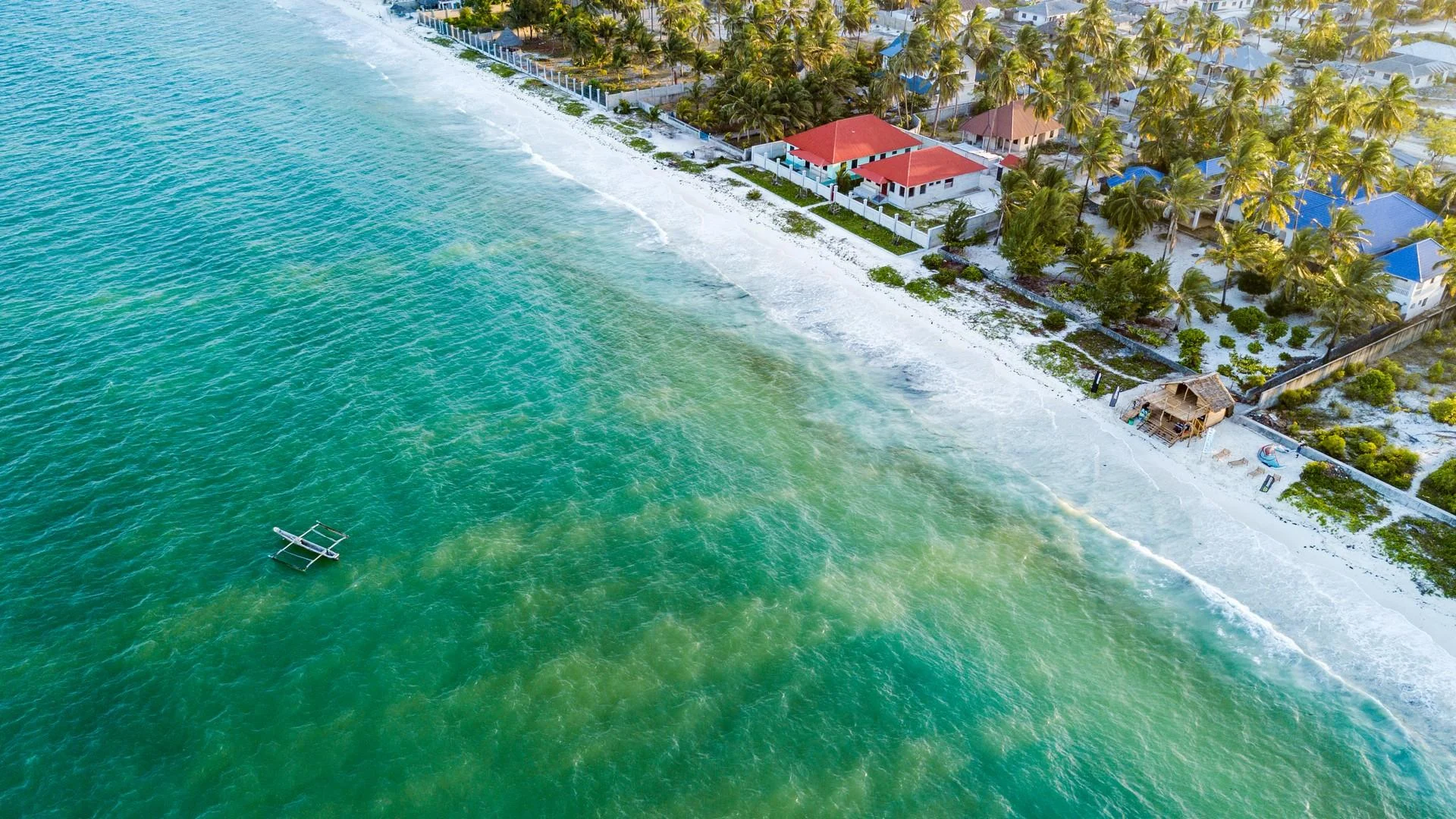
January is one of the best months to visit Zanzibar. It offers hot, tropical weather with average daytime highs of 32°C (90°F) and nighttime lows around 25°C (77°F). Expect moderate rainfall of about 85mm spread over 10 days, typically in brief afternoon showers. Humidity hovers at 75-80%, with 8-9 hours of daily sunshine and sea temperatures at 28°C (82°F), making it prime for beach relaxation and water adventures.
If you’re planning a tropical escape to Zanzibar, one of the first questions you might ask is: what is the weather like in Zanzibar in January?
The short answer: January is one of the best months to visit Zanzibar.
This period sits between the short rains of November–December and the long rainy season that begins around March. The result is hot, sunny days, warm ocean temperatures, and excellent conditions for outdoor activities.
For travelers dreaming of white sand beaches, turquoise water, and unforgettable island experiences, January offers nearly perfect conditions.
In this guide, you’ll discover:
- What the Zanzibar weather in January is really like
- Average temperature, rainfall, humidity, and sea conditions
- Whether January is a good time to visit Zanzibar
- What activities are best during this time
- What to pack and how to plan your trip
- Expert travel tips from local tour operators
If you’re considering visiting Zanzibar this month, this guide will help you plan smarter and make the most of your trip.
Table of Contents
What Is the Overall Weather Like in Zanzibar in January?
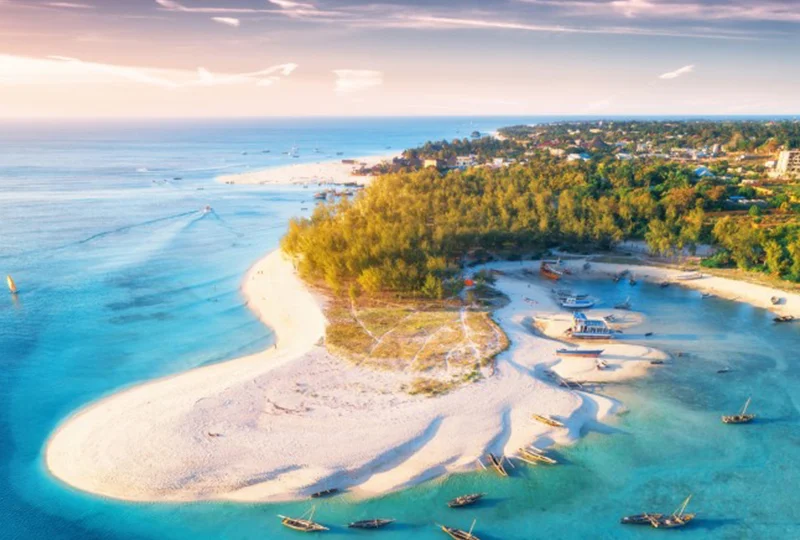
January in Zanzibar sits comfortably in the hot dry season, which runs from December through February. This is one of the island’s two dry periods — and it is genuinely glorious for most travelers.
Here’s the headline summary:
- Average daytime temperature: 28–32°C (82–90°F)
- Average nighttime temperature: 24–26°C (75–79°F)
- Average rainfall: 60–70mm across the month
- Rainy days: Roughly 7–10 days, mostly short afternoon showers
- Humidity: High — around 75–80%, but ocean breezes help
- Sea temperature: 27–29°C (81–84°F)
- Sunshine hours: Approximately 7–8 hours per day
- UV index: Very high — sun protection is essential
The overall feel is warm, bright, and tropical. You’ll get the occasional passing shower — usually brief and in the afternoon — but the mornings are almost always sunny and clear.
What Is the Average Temperature in Zanzibar in January?
January in Zanzibar is consistently warm, with average highs reaching 32°C (90°F) during the day and lows dipping to 25°C (77°F) at night.
This tropical heat is one of the month’s biggest draws, especially if you’re escaping colder climates.
Daytime temperatures often feel even warmer due to the sun’s intensity, but the northeast trade winds provide a gentle breeze that keeps things comfortable along the coast.
In my experience leading tours, mornings and evenings are pleasantly mild, perfect for strolls through Stone Town or early beach yoga sessions.
- Daytime Highs: Typically 30-33°C (86-91°F), peaking around midday.
- Nighttime Lows: Around 24-26°C (75-79°F), warm enough for light clothing.
- Overall Average: About 28-29°C (82-84°F) across the month.
These temps are ideal for outdoor pursuits, but remember to stay hydrated—I’ve guided many groups who underestimated the sun’s strength.
How does January compare to other hot months?
| Month | Avg. High | Avg. Low | Rainy Days |
|---|---|---|---|
| December | 30°C / 86°F | 24°C / 75°F | 8 |
| January | 32°C / 90°F | 25°C / 77°F | 8–10 |
| February | 33°C / 91°F | 25°C / 77°F | 6 |
| March | 31°C / 88°F | 24°C / 75°F | 14 |
January is slightly hotter than December, and February can push even higher — but January has a little more shower activity than February.
Think of January as the warm middle ground of the hot dry season.
Our local tip: Schedule active tours — spice farms, Jozani Forest, cycling tours — for the morning. Save beach time and water activities for late morning and afternoon when you’re comfortable staying cool in the sea. By 5pm, the heat softens beautifully.
How Much Does It Rain in Zanzibar in January?
Rainfall in January is moderate, averaging 85mm (3.3 inches) over about 10 days, usually in short, refreshing showers rather than all-day downpours.
Compared to the heavier rainy seasons, January’s precipitation is manageable and often clears up quickly, leaving skies brighter than before.
From our tour operations, we’ve noticed these showers typically hit in the late afternoon or evening, rarely disrupting morning beach time or excursions. It’s the kind of rain that revitalizes the lush landscapes without spoiling your plans.
- Rainy Days: 8-12 days, with most events lasting under an hour.
- Total Rainfall: 60-100mm, depending on the year, lower than March-May’s long rains.
- Impact: Minimal; roads stay accessible, and the ocean remains calm.
If you’re worried about wet weather, pack a light rain jacket, but don’t let it deter you—many of our January guests rave about the vibrant post-shower sunsets.
What this means for your plans: Don’t let the presence of some rainfall in the data put you off. It is genuinely a wonderful month to visit. Just build your schedule around morning activity slots when you can, and have a Plan B for afternoons — which might simply be sitting in a beautiful café in Stone Town or relaxing at your resort pool.
What About Humidity and Sunshine in Zanzibar in January?
Humidity levels in January range from 75-80%, creating a muggy feel, while sunshine averages 8-9 hours per day, offering plenty of bright, clear skies.
The humidity can make the heat feel more intense, especially inland, but coastal breezes from the Kaskazi monsoon winds (northeast trades) help mitigate it. In our years of hosting visitors, we’ve found that staying near the water or in shaded areas makes it enjoyable. Sunshine is abundant, though clouds build up in the afternoons, leading to those occasional showers.
- Humidity Breakdown: Peaks at 80-85% in the mornings, drops slightly midday with winds.
- Sunshine Hours: 7-10 hours daily, with partly cloudy conditions about 70% of the time.
- UV Index: Very high (around 11), so sunscreen is non-negotiable.
- Sea Temperatures: A balmy 28°C (82°F), perfect for swimming without a chill.
Pro tip: Schedule water-based activities for midday to beat the humidity—it’s when the ocean feels most refreshing.
What Are the Sea Conditions in Zanzibar in January?
Sea conditions matter enormously in Zanzibar — especially if you’re hoping to snorkel at Mnemba Atoll, do a Safari Blue trip, swim with dolphins, or take any boat excursion.
January delivers some of the best sea conditions of the year, particularly on the west and north coasts:
- Sea temperature: 27–29°C (81–84°F) — warm, comfortable, no wetsuit needed
- Visibility: Excellent — often 20–30 meters underwater in top dive sites
- Wave height: Low to moderate on the west coast; calmer on the north coast
- Currents: Gentle January northeast monsoon (the Kaskazi) creates calm conditions on the west and north
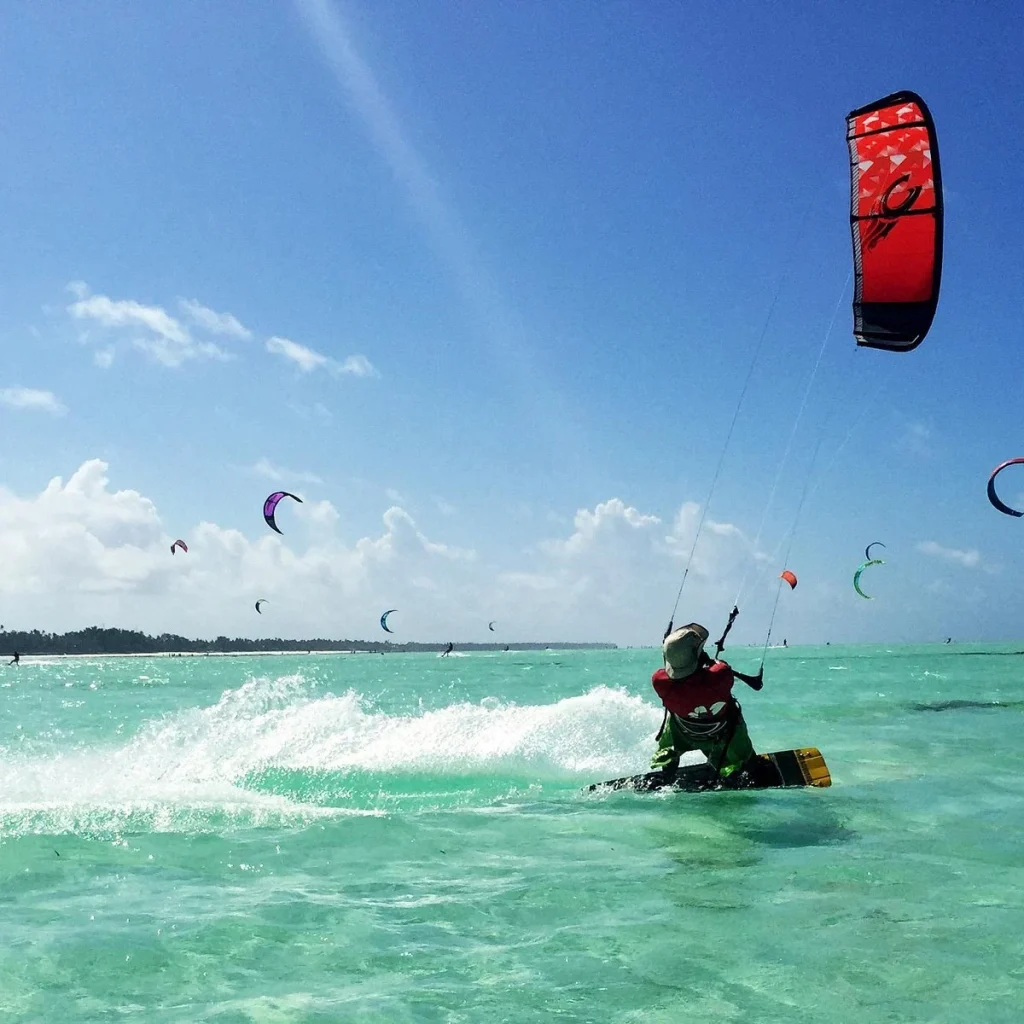
The east coast (Paje, Jambiani, Bwejuu) can be choppier in January due to its exposure, and water levels at low tide can be very shallow. This is actually a plus for kitesurfing, which is popular on the east coast in these conditions.
Best beaches for swimming in January:
- Nungwi (north) — calm, deep water year-round
- Kendwa (northwest) — excellent swimming even at low tide
- Matemwe (northeast) — beautiful reef and snorkeling access
- Matemwe and Stone Town area (west side) — calm, accessible
If you’re planning a Safari Blue tour or a Mnemba Island snorkeling trip, January is one of the prime months.
The northeast monsoon that’s blowing keeps the water crystal clear and the surface conditions smooth for dhow sailing. It’s genuinely spectacular.
Is January a Good Time to Visit Zanzibar?
Yes — and here’s why we say that with confidence.
January is one of the most popular months for visitors from Europe, the Middle East, and beyond, and for good reason. The European winter makes the idea of warm Indian Ocean breezes and white-sand beaches irresistible. January gives you:
- Reliable sunshine without the relentlessness of peak heat months
- Calm ocean waters on the west coast, perfect for snorkeling and boat trips
- All tours and activities running at full capacity, including Safari Blue, Mnemba snorkeling, and Jozani Forest
- Festive energy carrying over from the New Year, with Stone Town particularly vibrant
The main trade-off?
It is high season. Hotels fill up, prices are higher than in the quieter months, and the most popular beaches and tours can feel busy.
Book early — that’s the most important piece of advice for a January trip.
What Activities Are Best in Zanzibar in January?
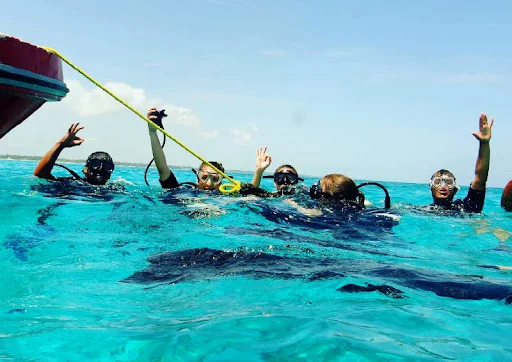



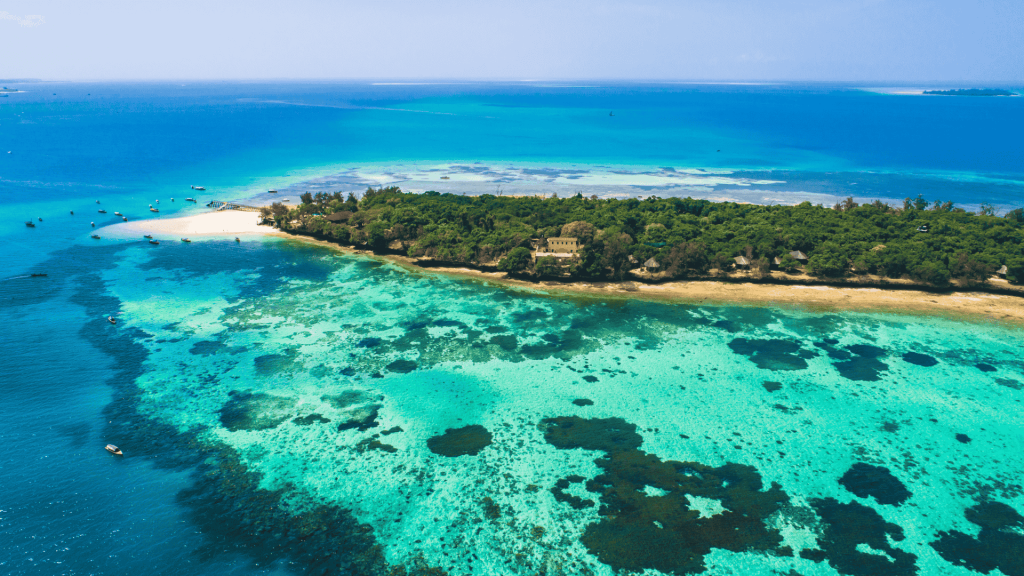
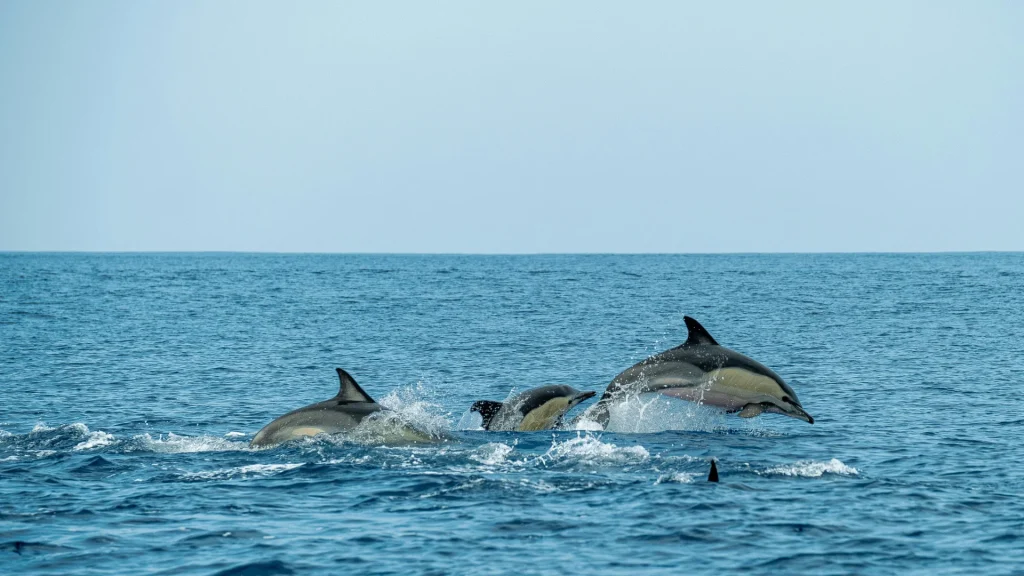
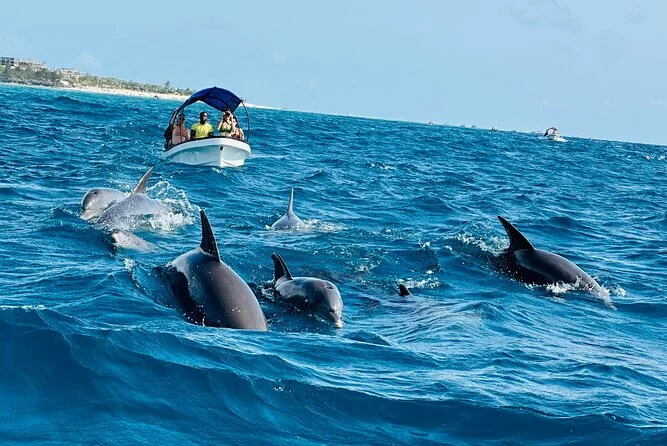
January’s warm, clear weather means almost every activity on the island is available and excellent. Here’s what we’d specifically highlight:
Snorkeling and Diving
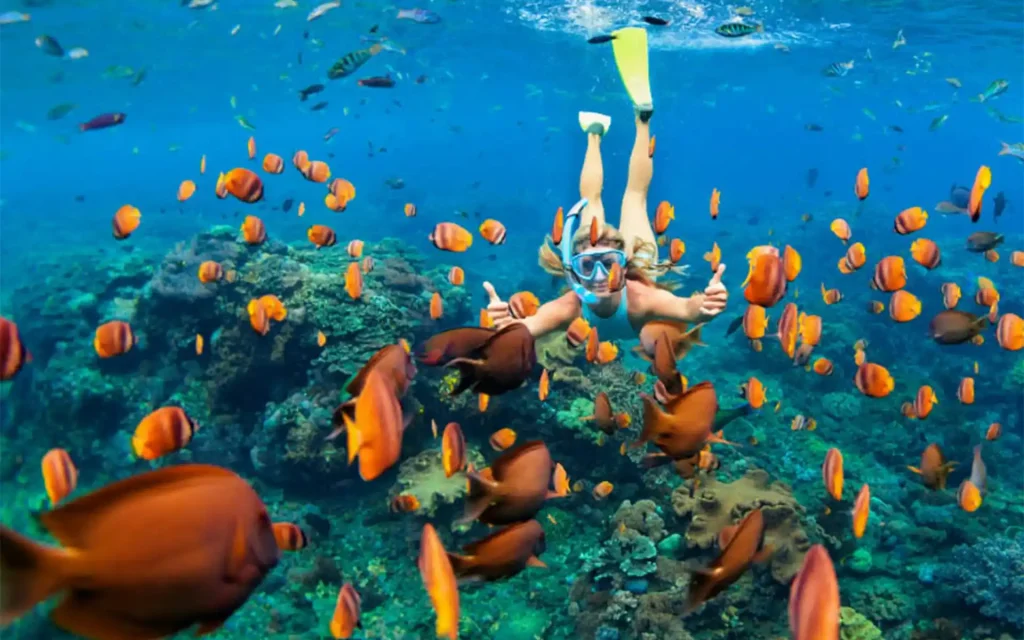
January is peak season for underwater experiences. The Mnemba Atoll — Zanzibar’s crown jewel dive site — is at its most accessible and clear. You’ll find turtles, reef sharks, barracuda, nudibranchs, and walls of tropical fish. Water visibility can hit 25–30 metres.
The warm water temperature means you can stay underwater longer without discomfort, making it ideal for both certified divers and first-timers doing their PADI Open Water course.
→ Book your Mnemba Snorkeling Tour in advance — January slots fill up fast.
Safari Blue Tour
The Safari Blue excursion — a full-day dhow sailing adventure to the Menai Bay Conservation Area in the southwest — is one of Zanzibar’s most iconic experiences. In January, the sea conditions on the west and southwest coast are ideal. You’ll be sailing on a traditional dhow, snorkeling in clear lagoons, visiting a sandbank, and finishing with a legendary seafood lunch on the beach.
This is one of those experiences that people describe as the highlight of their entire trip. January is one of the best months to do it.
→ Explore the Safari Blue Zanzibar Tour.
Stone Town Cultural Tour
Stone Town is captivating year-round, but January’s warm evenings make it particularly magical. The narrow winding alleys, ornate wooden doors, spice markets, and the rooftop sunset views are all at their best when the weather cooperates.
January also marks the tail end of the festive season energy — the city has a buzz to it, with street food stalls at Forodhani Gardens doing brisk business every evening.
→ Discover the Stone Town Tour.
Spice Farm Tour
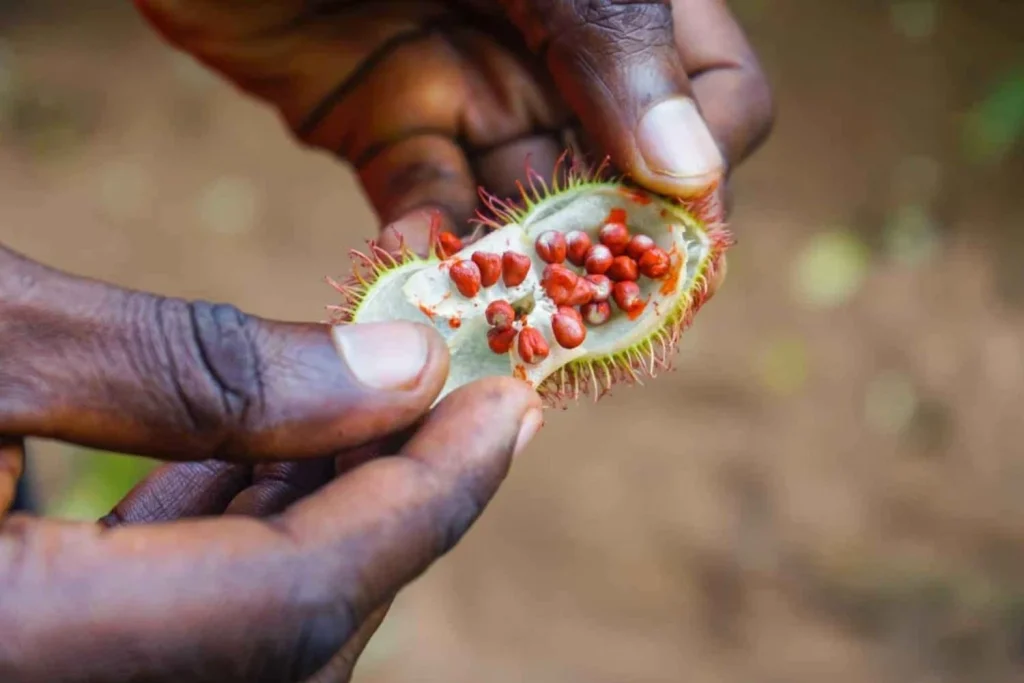
Zanzibar’s famous spice plantations are lush and productive in January. You’ll walk among clove trees, vanilla vines, lemongrass, cardamom, cinnamon bark, and more — guided by a local expert who can identify and describe every plant. It’s educational, aromatic, and genuinely fun. Morning is the best time to go, before the day heats up.
→ Book your Spice Farm Tour.
Prison Island Tour
A short boat ride from Stone Town takes you to Changuu Island — known as Prison Island — home to giant Aldabra tortoises that are over 100 years old. The marine reserve around the island is excellent for snorkeling too. January’s calm seas make the boat crossing a pleasure.
→ See the Prison Island Tour.
Jozani Forest
If you want a break from the beach, the Jozani-Chwaka Bay National Park is Zanzibar’s only national park, home to the endangered red colobus monkey found nowhere else on Earth. January’s dry conditions mean the forest trails are walkable and the canopy is thinned enough that spotting wildlife is easier. Go in the early morning for the best sightings.
→ Explore the Jozani Forest Tour.
Kitesurfing on the East Coast
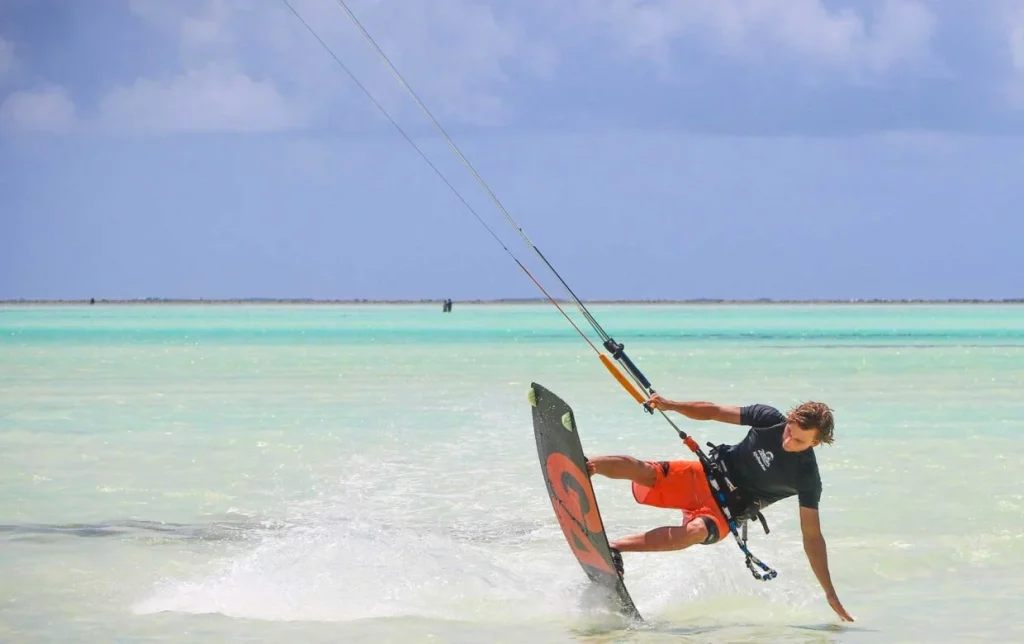
Paje and Jambiani on the east coast attract the kitesurfing crowd in January, when reliable northeast winds create the right conditions. The shallow, turquoise lagoons here are beginner-friendly. If you’ve always wanted to learn, this is the month and place to do it.
Dolphin Watching at Kizimkazi
The waters around Kizimkazi village in the south are one of the most reliable places in East Africa to spot spinner and bottlenose dolphins in the wild.
January’s calm morning seas make the early-morning boat trips smooth and the sightings very likely.
This is a genuinely moving experience, seeing dolphins in their natural habitat in crystal-clear water.
How Crowded Is Zanzibar in January? And How Does That Affect Prices?
Let’s be honest with you here: January is high season, and it feels like it.
The island draws large numbers of tourists in January — primarily from Europe (especially Italy, Germany, Scandinavia, and the UK), but also from the Gulf states and increasingly from South Africa and Asia. The most popular beaches — Nungwi, Kendwa, and Paje — will have sunbeds, bars, and activity operators in full swing.
What this means practically:
- Hotels book out fast. Mid-range and luxury properties along the north coast can be fully reserved weeks in advance. Book 2–3 months ahead for best options.
- Tour prices are at peak rates. Expect no off-season discounts. Most reputable operators — including us — price January at standard or premium rates.
- Popular tours and activities need advance booking. Safari Blue, in particular, has limited daily boat capacity. Walk-in booking in January is a gamble.
- Stone Town is busy but manageable — the town is charming and labyrinthine enough that it never truly feels overwhelmed.
The silver lining: All of this demand exists because January is genuinely one of the best times to be here. The services are operating at their best, staff are experienced, boats are fully maintained, and the whole island is tuned for visitors.
If you want expert help navigating availability and pricing, our local team at Visit Zanzibar Island Tours does this every day.
What Should You Pack for Zanzibar in January?
Packing for January in Zanzibar is actually fairly straightforward — the weather is warm, mostly dry, and consistently tropical. Here’s what you actually need:
Beach & Water Essentials
- 3–4 swimsuits (they dry fast, but you’ll want options)
- Rash guard or UV-protective swim top (high UV index in January)
- Reef-safe sunscreen, SPF 50+ (non-negotiable — and reef-safe matters here)
- Snorkel gear (you can rent on-site, but bringing your own mask gives better fit)
- Water shoes for rocky beach entries
Clothing
- Lightweight linen or cotton clothes — shorts, T-shirts, sundresses
- A couple of longer outfits (linen trousers, loose maxi dress) for Stone Town visits — the culture is conservative and modest dress is appreciated
- Light cardigan or layer for air-conditioned restaurants and evening boat trips
- A compact rain poncho or packable jacket for afternoon showers
Practical Items
- High-quality insect repellent (DEET-based; evenings near vegetation)
- Malaria prophylaxis — speak to your doctor before you travel
- Electrolyte tablets — the heat in January is real, and staying hydrated matters
- Dry bag — for boat trips, your phone and camera will thank you
- Universal adapter plug (Tanzania uses type G British-style plugs)
- Reef-safe after-sun lotion
What not to bring: heavy clothes, winter layers, or formal wear. You won’t need them.
For a full breakdown, check out our What to Pack for Zanzibar guide.
How Does January Compare to Other Months in Zanzibar?
Understanding January in context helps you decide if it’s the right month for you.
| Month | Season | Weather | Best For | Crowds |
|---|---|---|---|---|
| Jan | Hot dry | Hot, mostly sunny, brief showers | Beach, diving, all tours | High |
| Feb | Hot dry | Hottest & driest month | Snorkeling, romance | High |
| Mar | Long rains start | Mixed, warming | Budget travel | Low–Med |
| Apr | Long rains | Heavy rain | Not recommended | Very Low |
| May | Long rains end | Improving | Budget, culture | Low |
| Jun | Cool dry | Warm, low humidity | All activities | Med–High |
| Jul–Aug | Cool dry | Best conditions | Everything | Very High |
| Sep–Oct | Cool dry | Excellent | Diving, wildlife | High |
| Nov | Short rains | Mixed | Shoulder deals | Low–Med |
| Dec | Hot dry | Warm, festive | Beach, New Year | Very High |
January vs February: February is slightly hotter and drier, and some travelers prefer it for that reason. But January has a lively post-New Year energy that many people love. Both are excellent. February edges ahead slightly for pure snorkeling conditions.
January vs June–October: The cool dry season is cooler and arguably more comfortable for active travelers. January is hotter but comes with warm-water advantages for swimming and diving. Different experiences, both genuinely wonderful.
Tips for Making the Most of Zanzibar Weather in January
These are the practical, experience-based insights that we share with every traveler who plans a January trip with us:
1. Book everything before you arrive. We cannot stress this enough. Your hotel, your Safari Blue tour, your airport transfer, your Mnemba snorkeling trip — all of it. January availability runs out fast.
2. Plan your days around the heat. The smartest January itinerary has active tours (forest walks, Stone Town exploring, spice farms) in the morning from 8am to noon. Water activities and beach time from late morning through afternoon. Sunset activities and dinner in the beautiful warm evenings.
3. Stay hydrated relentlessly. Drink more water than you think you need. The combination of heat, humidity, and sun exposure in January can lead to dehydration quickly, especially if you’re active.
4. Don’t skip the east coast entirely. Yes, the north coast is calmer for swimming in January, but Paje and Jambiani on the east coast have their own magic — that luminous shallow turquoise water, the kitesurfing scene, and a more laid-back vibe. If you’re doing a 5+ day trip, it’s worth spending a night or two there.
5. Visit Stone Town in the evening. Stone Town is beautiful at any time but particularly magical after 5pm in January. The heat softens, the light turns golden, the food stalls at Forodhani Gardens come alive, and the whole place hums with energy.
6. Respect the culture and dress codes. Zanzibar is a Muslim-majority island. While beach wear is entirely appropriate on the beach, covering up when you walk through Stone Town or visit villages is both respectful and expected. Pack modest cover-ups.
7. Use a local operator. This sounds self-serving, but it’s genuine advice: a local tour operator who knows January conditions, knows which sites are best on which days, and can adapt to weather patterns is worth far more than a generic online booking. We’ve been doing this for years.
If you want personalized help planning your January trip, talk to our local experts — we’re here to help.
Are There Any Special Events in Zanzibar in January?
January is quieter for major festivals, but you might catch New Year’s celebrations or local cultural events; the main highlights kick off in February.
While not packed with big festivals, the month often sees lingering New Year’s vibes with beach parties and traditional Swahili gatherings. From our experience, it’s a great time for authentic, low-key experiences like village markets.
- New Year’s Festivities: Early January may include fireworks and music on beaches, blending global and local traditions.
- Cultural Performances: Informal taarab music nights in Stone Town.
- Upcoming Teasers: Prep for February’s Sauti za Busara Music Festival—some pre-events spill into late January.
For a personalized event calendar, chat with our experts at Visit Zanzibar Island Tours when planning your trip.
What Tips Do You Have for Handling the Weather in Zanzibar in January?
Stay hydrated, seek shade during peak sun, and embrace the breezes to manage the heat and humidity comfortably.
Drawing from years of on-the-ground experience, here’s how to thrive:
- Beat the Heat: Schedule activities for mornings or late afternoons; use air-conditioned transport if needed.
- Humidity Hacks: Wear breathable fabrics, take ocean dips to cool off, and carry a water bottle everywhere.
- Rain Prep: Keep plans flexible—showers pass quickly; have indoor options like museum visits ready.
- Sun Safety: Apply sunscreen every 2 hours, especially after swimming; wear protective clothing.
- Local Wisdom: Follow Swahili time—relax during the hottest hours with a fresh coconut juice.
- Health Note: Use mosquito nets and repellent, as humidity can increase bugs post-rain.
If weather throws a curveball, our Visit Zanzibar Island Tours guides are pros at adapting itineraries—book with us for peace of mind.
Zanzibar in January: Is It Worth It?
Here’s the honest, local expert view.
January is a fantastic time to visit Zanzibar for the vast majority of travelers. The weather is hot and largely sunny. The sea is warm and clear. Every single tour, beach, restaurant, and attraction is fully operational. The island is alive and vibrant. The occasional afternoon shower is a minor footnote, not a problem.
The only people who might prefer a different month are:
- Budget travelers who want the lowest prices (consider May or November instead)
- Crowd-averse travelers who want near-empty beaches (consider June–July on weekdays, or May if rain doesn’t bother them)
- Divers who want the absolute coolest water and strongest currents (July–September may be better for experienced divers)
For everyone else — honeymooners, families, groups of friends, solo travelers, beach lovers, snorkelers, culture seekers — January in Zanzibar delivers everything it promises. It’s a world-class tropical destination at one of its most beautiful moments.
We’ve helped hundreds of travelers experience January on this island, and the feedback is consistently the same: “I wish I’d stayed longer.”
FAQs: Zanzibar Weather in January
Is January a rainy month in Zanzibar?
No — January is in Zanzibar’s hot dry season. Rainfall averages 60–70mm across the month, spread over roughly 7–10 days of brief showers, usually in the afternoon. Mornings are almost always clear and sunny. It is considered a dry season month, and the rain is unlikely to significantly affect your trip.
What temperature should I expect in Zanzibar in January?
Daytime temperatures typically reach 28–33°C (82–91°F), making it one of the hotter months of the year. Nighttime temperatures drop to a comfortable 24–26°C (75–79°F). The humidity is high but ocean breezes along the coast keep it manageable.
Can you swim in the sea in Zanzibar in January?
Absolutely. The Indian Ocean around Zanzibar is at a delightful 27–29°C (81–84°F) in January. The west and north coasts (Nungwi, Kendwa, Matemwe) offer particularly calm, clear waters excellent for swimming. The east coast is shallower at low tide and better for kitesurfing.
Is January a good month for snorkeling in Zanzibar?
Yes — January is excellent for snorkeling. Water visibility is high, often 20–30 metres at top sites like Mnemba Atoll. The sea is warm, the surface is calm (especially on the north and west coasts), and marine life is abundant. Book your snorkeling tour in advance as January slots fill up quickly.
How busy is Zanzibar in January?
Very busy. January is high season, driven by European winter holidays and New Year travellers. The north coast beaches and popular tours are full. Accommodation and activity prices are at peak rates. Book everything — especially hotels and popular day tours — at least 4–6 weeks before you travel.
What is the sea temperature in Zanzibar in January?
Sea temperatures in January average 27–29°C (81–84°F), making it one of the warmest swimming periods of the year. No wetsuit is needed for swimming or snorkeling. Divers doing multiple dives may want a thin 3mm wetsuit for extended time underwater.
Is there a festival or special event in Zanzibar in January?
January doesn’t have a major festival, but the post-New Year period carries a festive atmosphere, particularly in Stone Town. Forodhani Gardens and the local restaurant scene are vibrant. The famous Sauti za Busara music festival takes place in February, so if you’re flexible, timing your trip for late January to February lets you catch it.
Is January a good time for families to visit Zanzibar?
Yes, January is family-friendly. The reliable sunshine, calm north coast beaches, and the full availability of kid-appropriate tours (Prison Island with giant tortoises, spice farms, dolphin watching) make it a great choice for families. Just stay hydrated, apply sunscreen generously, and plan midday rest breaks during peak heat.
Do I need to book tours in advance for January in Zanzibar?
Yes — strongly recommended. January is peak season and tours with limited capacity (Safari Blue, Mnemba snorkeling, dolphin watching trips) book up quickly. For accommodation, aim to book 6–8 weeks in advance for good mid-range or luxury options. Our team at Visit Zanzibar Island Tours can check availability and secure bookings for you.
What’s the difference between January weather in North Zanzibar vs East Zanzibar?
The north coast (Nungwi, Kendwa) benefits from protection by offshore reefs and the northeast monsoon, giving calmer, deeper swimming waters in January. The east coast (Paje, Jambiani) is more exposed to the Indian Ocean and has shallower tidal flats — better for kitesurfing, longer walks along the shoreline, and a quieter atmosphere, but less ideal for deep-water swimming.
Conclusion: Zanzibar Weather in January Is Made for Travel
If there’s one thing to take away from this guide, it’s this: Zanzibar weather in January is genuinely excellent, and the island rewards visitors who plan well and arrive prepared.
Hot sunshine, a warm turquoise sea, vibrant marine life, full tour availability, and a buzzing cultural scene — January delivers all of it. The brief afternoon showers are barely a disruption, and the warm evenings are some of the most beautiful you’ll experience anywhere in the world.
The key to making it perfect? Book early, pack smart, plan your days around the heat, and travel with people who know the island.
At Visit Zanzibar Island Tours, we’re a local team who lives and breathes this island every day of the year. We can help you build the perfect January itinerary — from airport transfers and hotel recommendations to fully guided tours, snorkeling adventures, and spice farm experiences.
Your January in Zanzibar can be exceptional. Let’s make that happen.
→ Plan your Zanzibar trip with our local experts — tell us your dates and we’ll take care of the rest.
Explore More: